
Crafting Eco-Friendly Soaps at Home: A Beginner's Journey

Creating your own eco-friendly soaps at home is not only a rewarding hobby but also a step towards a more sustainable lifestyle. With the increasing awareness of environmental issues, many people are seeking alternatives to commercial products that often contain harmful chemicals and excessive packaging. This guide will take you through the journey of making your own natural soaps, from understanding the benefits to the step-by-step process of crafting your first batch.
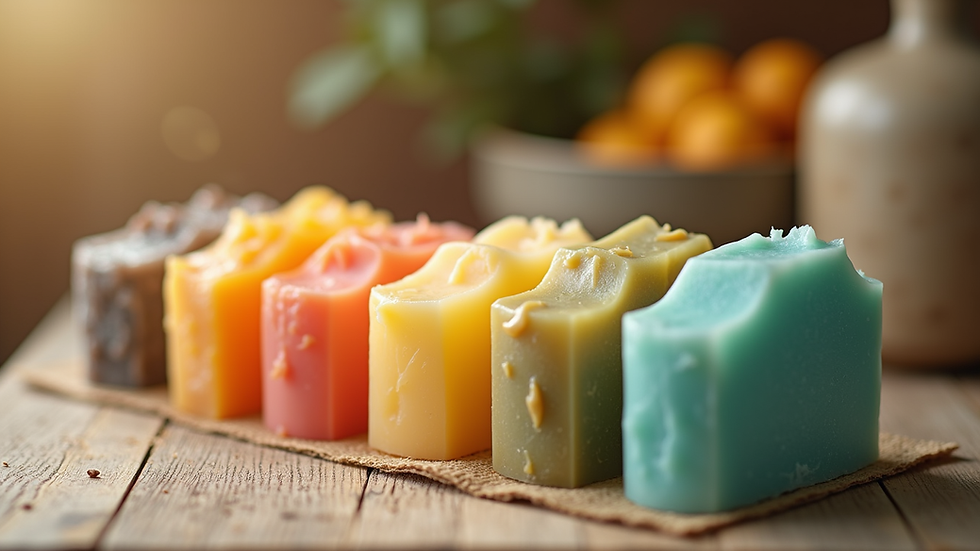
The Benefits of Making Eco-Friendly Soap
Before diving into the process, it’s essential to understand why making your own soap is beneficial. Here are some key advantages:
Natural Ingredients: Homemade soaps allow you to choose high-quality, natural ingredients that are gentle on your skin and the environment. You can avoid synthetic fragrances, preservatives, and harsh chemicals commonly found in commercial soaps.
Customization: When you make your own soap, you can tailor it to your preferences. Whether you want a specific scent, color, or texture, the possibilities are endless.
Cost-Effective: While the initial investment in supplies may seem high, making soap at home can save you money in the long run. Once you have the basic ingredients, you can create multiple batches.
Eco-Friendly Packaging: By making your own soap, you can reduce waste by using minimal or recyclable packaging. This is a significant step towards a more sustainable lifestyle.
Creative Outlet: Soap making is a fun and creative process. It allows you to experiment with different ingredients and techniques, making it a fulfilling hobby.
Getting Started: Essential Supplies
To begin your soap-making journey, you’ll need some essential supplies. Here’s a list of what you’ll need:
Base Ingredients: The primary ingredients for soap making include oils (like olive oil, coconut oil, or shea butter), lye (sodium hydroxide), and distilled water. You can also add natural colorants and fragrances.
Equipment: Gather the following tools:
- A digital scale for accurate measurements
- A heat-resistant container for mixing lye
- A thermometer to monitor temperatures
- A stick blender for mixing
- Soap molds (silicone molds work well)
- Safety gear (gloves and goggles)
Additives: Consider adding natural ingredients such as essential oils, herbs, or exfoliants like oatmeal or coffee grounds for added benefits.
Understanding the Soap-Making Process
There are several methods for making soap, but the two most common are the cold process and hot process methods. Here’s a brief overview of each:
Cold Process Soap Making
The cold process method involves mixing lye with oils at room temperature. This method allows for greater control over the final product and is ideal for beginners. Here’s a simplified version of the process:
Prepare Your Workspace: Ensure your workspace is clean and organized. Lay out all your supplies and wear your safety gear.
Measure Ingredients: Accurately measure your oils and lye using a digital scale.
Mix Lye and Water: Slowly add lye to distilled water in a well-ventilated area. Stir until dissolved, and let it cool.
Heat Oils: Gently heat your oils until they reach around 100°F (38°C).
Combine Lye and Oils: Once both mixtures are at a similar temperature, slowly pour the lye solution into the oils. Use a stick blender to mix until you reach "trace," which is when the mixture thickens.
Add Fragrance and Color: At trace, add your chosen essential oils and colorants. Mix thoroughly.
Pour into Molds: Pour the soap mixture into molds and cover with a towel to insulate.
Cure the Soap: Allow the soap to sit for 24-48 hours before unmolding. Then, let it cure for 4-6 weeks to complete the saponification process.
Hot Process Soap Making
The hot process method involves cooking the soap mixture, which speeds up the saponification process. This method is suitable for those who want to use their soap sooner. The steps are similar to the cold process but include heating the mixture in a slow cooker.
Tips for Successful Soap Making
Safety First: Always wear gloves and goggles when handling lye. It is a caustic substance that can cause burns.
Be Precise: Accurate measurements are crucial for successful soap making. Use a digital scale for best results.
Experiment with Scents: Try different essential oils to create unique fragrances. Some popular options include lavender, eucalyptus, and citrus blends.
Keep Notes: Document your recipes and processes. This will help you replicate successful batches and learn from any mistakes.
Patience is Key: Allow your soap to cure fully before using it. This ensures a milder product that is safe for your skin.
Common Mistakes to Avoid
As a beginner, you may encounter some challenges. Here are common mistakes to watch out for:
Skipping Safety Gear: Never skip wearing gloves and goggles when working with lye.
Incorrect Measurements: Using too much or too little lye can result in a failed batch. Always measure carefully.
Rushing the Process: Soap making requires time and patience. Don’t rush through the steps, especially during the curing phase.
Ignoring Temperature: Ensure your lye and oils are at the correct temperatures before combining them. This can affect the final product.
Exploring Different Soap Recipes
Once you’ve mastered the basics, you can start experimenting with different recipes. Here are a few ideas to inspire you:
Lavender and Oatmeal Soap
This soothing soap is perfect for sensitive skin.
Ingredients:
- 16 oz olive oil
- 16 oz coconut oil
- 16 oz palm oil
- 6.5 oz lye
- 16 oz distilled water
- 1 oz lavender essential oil
- 1 cup ground oatmeal
Instructions: Follow the cold process method, adding the ground oatmeal and lavender essential oil at trace.
Citrus Burst Soap
Brighten your day with this refreshing citrus soap.
Ingredients:
- 16 oz olive oil
- 16 oz coconut oil
- 16 oz palm oil
- 6.5 oz lye
- 16 oz distilled water
- 1 oz lemon essential oil
- 1 oz orange essential oil
Instructions: Use the cold process method, adding the citrus essential oils at trace.
Packaging and Gifting Your Soaps
Once your soaps are ready, consider how you want to package them. Here are some ideas:
Simple Wrapping: Use kraft paper or natural twine for a rustic look.
Decorative Boxes: Place your soaps in small boxes for a more polished presentation.
Labels: Create labels that include the ingredients and any special benefits of the soap.
Gifting homemade soaps is a thoughtful gesture, especially for friends and family who appreciate natural products.
Conclusion
Crafting eco-friendly soaps at home is a fulfilling and sustainable practice. By following the steps outlined in this guide, you can create beautiful, natural soaps tailored to your preferences. Remember to experiment, have fun, and enjoy the process. As you embark on this journey, you’ll not only create wonderful products but also contribute to a healthier planet. So gather your supplies, put on your safety gear, and start making your first batch of eco-friendly soap today!
Comments